


Mirror 610 F3 meniscus
The manufacturing phases of a meniscus parabolic mirror 610 mm in diameter and 20 mm thick, focus 1770 mm with focal ratio of F3.

The manufacturing phases of a meniscus parabolic mirror 610 mm in diameter and 20 mm thick, focus 1770 mm with focal ratio of F3.
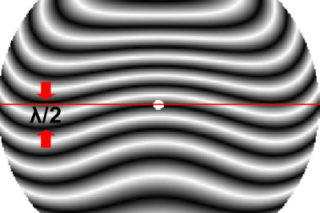
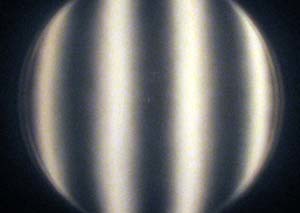
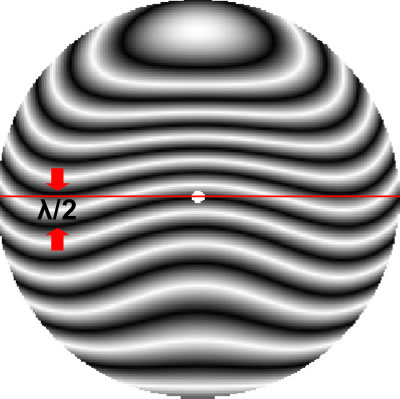
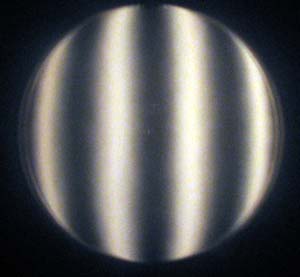
As we have seen in this article, a convex secondary mirror can not be tested directly in general (*) . One of the methods is used to refer to a concave mirror which has the same shape of the surface that we want to get on the convex mirror. By overlaying the two mirrors, the analysis of the interference fringes by means of
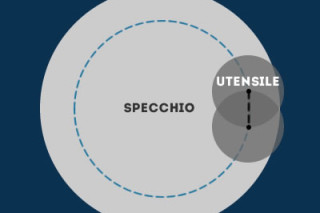
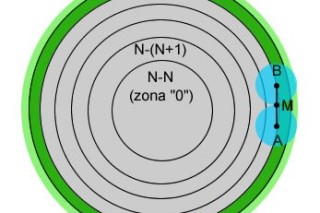
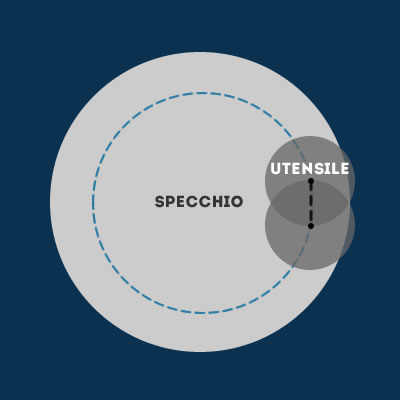
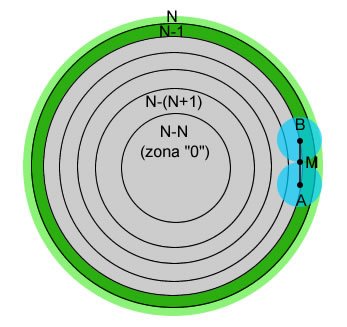
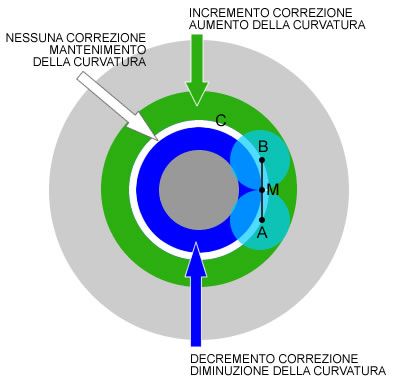
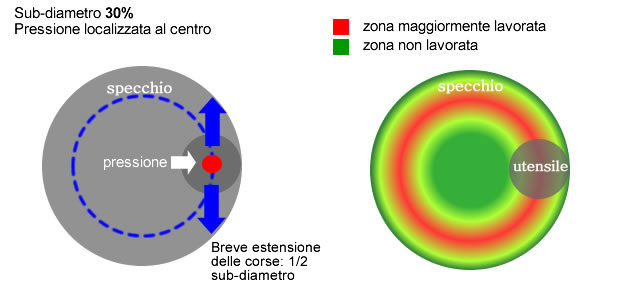
Is’ useful at this point, a recall on processing techniques with the tools at the sub-diameter, in particular how it is possible to increase the curvature of one or more zones. Then resume the concept according to which through sub-diameter strokes , External areas increase their curvature while those inside the decrease,
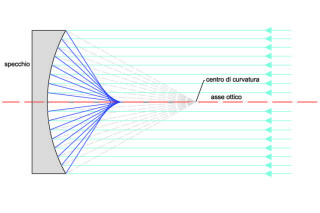
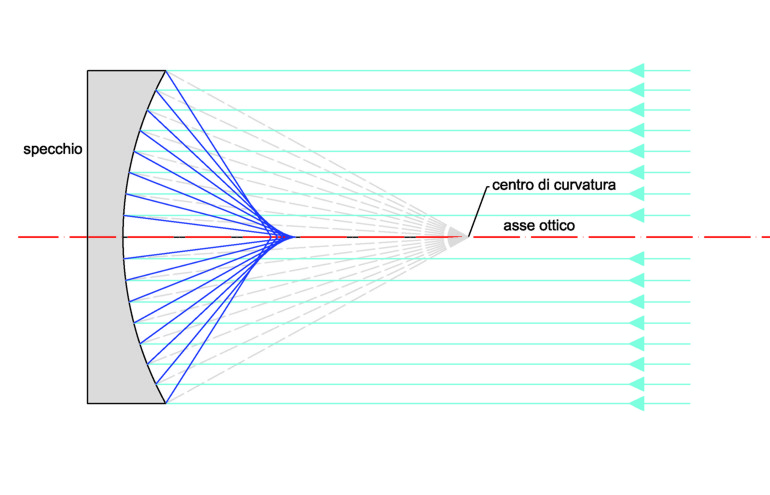
STARTING BALL AND FINAL PARABOLA the reflection of light emanating from infinity on a spherical surface does not generate, as it is known, a single focus point, but rather a figure that “caustic reflection” which identifies the rotation surface where they concentrate the reflections of a point source . As you can be seen in Figure
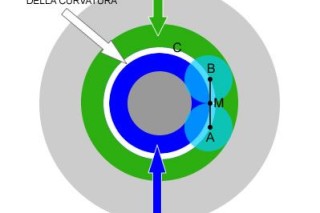
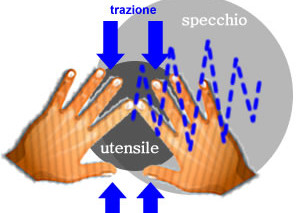
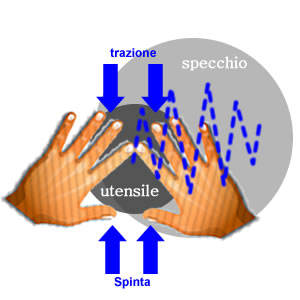
This type of technique can be used in the first phase of the generation of the parabolic shape of short focal mirrors or large diameter, the mirror is always and only in the lower position. hand position ( for small tools below 15 cm)It is the one with the thumbs pushing a
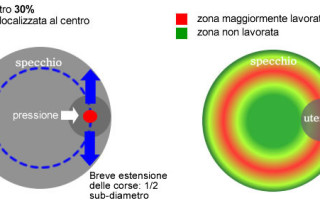
how to parabolize a low focal ratio mirror ( F2-F4 ) - Part Three
Now let's see how to develop a procedure that takes account of the problems highlighted in the article II, that is how to generate the project by means of a parabola working as regular as possible, with particular attention to the control of the figure during the intermediate stages of processing. THE METHOD “CUSTOM” The name only want to indicate they are not
Read More